
Your Team Solves Problems Every Day.
The Tax Code May Reward It.
If your business develops, improves, designs, or tests products, processes, or software, you may qualify for federal R&D tax credits — even if you've never thought of your work as 'research.'
Your Business May Also Be Creating Tax Value Through the Work It Already Performs
Employee benefits and payroll efficiency represent one area of opportunity. Another may exist in the work your employees are already performing. Businesses routinely invest time, payroll, and resources into developing, improving, testing, engineering, designing, and solving technical challenges. Some of these activities may potentially qualify for Research & Development tax incentives.

Why Businesses Miss This
"We're Not an R&D Company"
Most qualifying work happens on shop floors, job sites, and dev teams, not in labs.
"We're Not Profitable Yet"
Certain qualified small businesses may apply up to $500,000 per year of the credit against payroll taxes.
"The Paperwork Scares Us"
Documentation matters more than ever, which is why a structured evaluation comes first.
"Our CPA Never Mentioned It"
R&D credits are a specialty area that many general tax preparers don't focus on.
Recent Changes Worth Knowing
A Permanent Credit
The federal research credit has been a permanent part of the tax code since 2015.
Immediate Expensing Is Back
Legislation enacted in 2025 restored immediate deduction of domestic research costs for tax years beginning in 2025.
Documentation Requirements Are Rising
For tax years beginning after 2025, the IRS requires more detailed project-level information on Form 6765.
What the IRS Looks For
Permitted Purpose
The work aims to create or improve a product, process, software, technique, or formula.
Technological in Nature
It relies on principles of engineering, physical or biological science, or computer science.
Elimination of Uncertainty
At the start, you weren't sure how to achieve the result or what the best design was.
Process of Experimentation
You tested, modeled, prototyped, or evaluated alternatives to get there.
Each activity must meet all four parts. An evaluation helps determine which activities may qualify.
Not Profitable Yet? It May Still Matter.
The R&D credit isn't only for profitable companies. A qualified small business — generally one with less than $5 million in gross receipts that is within its first five years of receipts — may elect to apply up to $500,000 per year of the credit against employer payroll taxes. Unused credits may generally be carried forward. Eligibility rules apply.
Innovation Happens in More Businesses Than You Might Think
The Research & Development Tax Credit is designed to encourage qualifying businesses to invest in innovation, experimentation, development, and improvement.
Many business owners associate R&D only with laboratories, scientists, or technology startups. However, qualifying activities may potentially occur in businesses that develop or improve products, processes, software, techniques, formulas, manufacturing methods, technical systems, and operational processes.
Eligibility depends on the specific facts and circumstances of the business and applicable tax requirements.

What Types of Activities May Be Worth Evaluating?
Product Development
Developing new products or improving functionality, performance, reliability, or quality.
Process Improvement
Developing or testing improved manufacturing, production, operational, or technical processes.
Software Development
Creating or improving software, internal systems, platforms, integrations, or technical functionality.
Engineering & Design
Testing designs, prototypes, materials, specifications, engineering approaches, or technical alternatives.
Formulation & Testing
Developing or improving formulas, compositions, recipes, materials, or technical methodologies.
Experimentation
Evaluating alternative approaches when technical uncertainty exists regarding how something should be developed or improved.
R&D Isn't Limited to Technology Companies
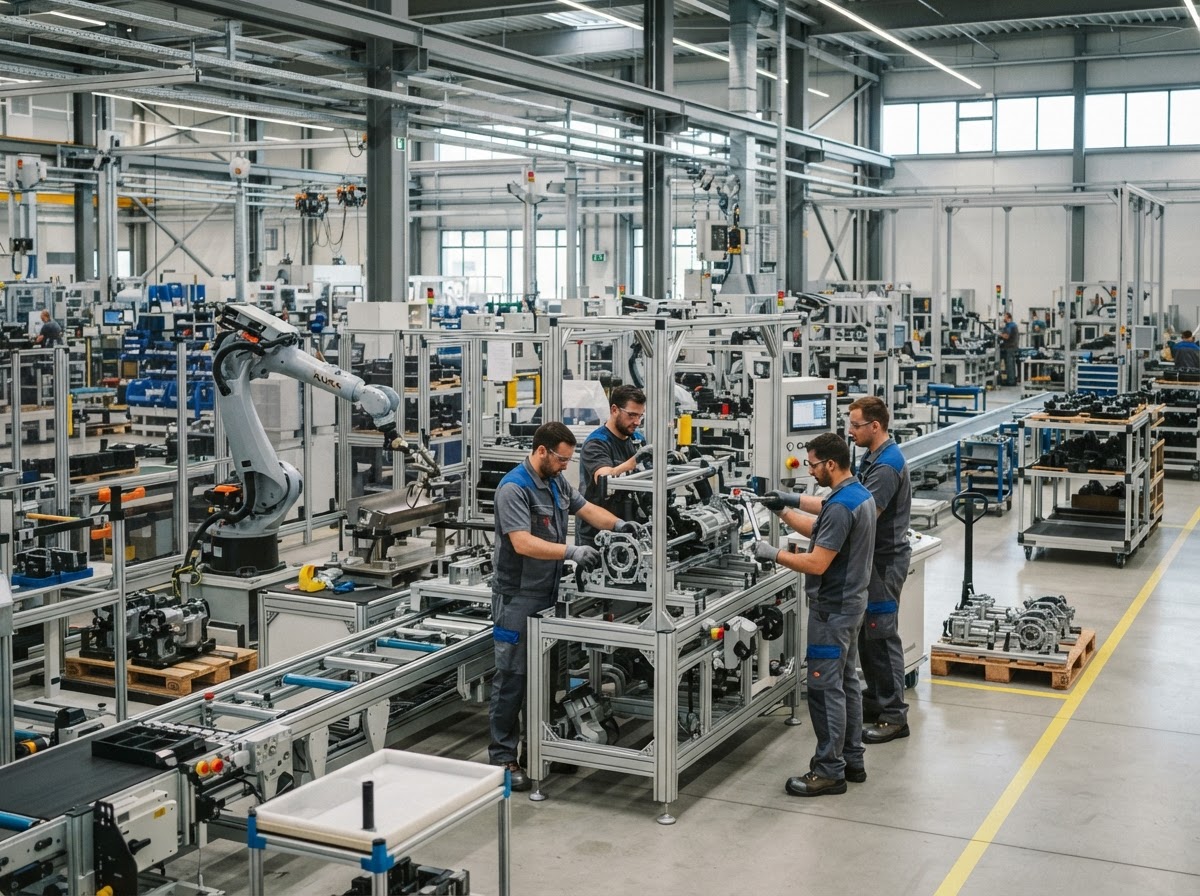
Manufacturing
Developing new production methods, improving line efficiency, testing materials, and refining fabrication processes.

Engineering
Designing, testing, and validating technical solutions — from components to systems — frequently involves experimentation.

Architecture
Resolving structural, material, and design challenges, and testing how systems perform under varying conditions.

Software & Technology
Building or improving platforms, internal systems, integrations, and technical functionality.

Construction
Engineering structural solutions, testing materials and methods, and improving build processes.

Agriculture
Developing crop, soil, irrigation, or equipment improvements, and testing alternative approaches to yield.
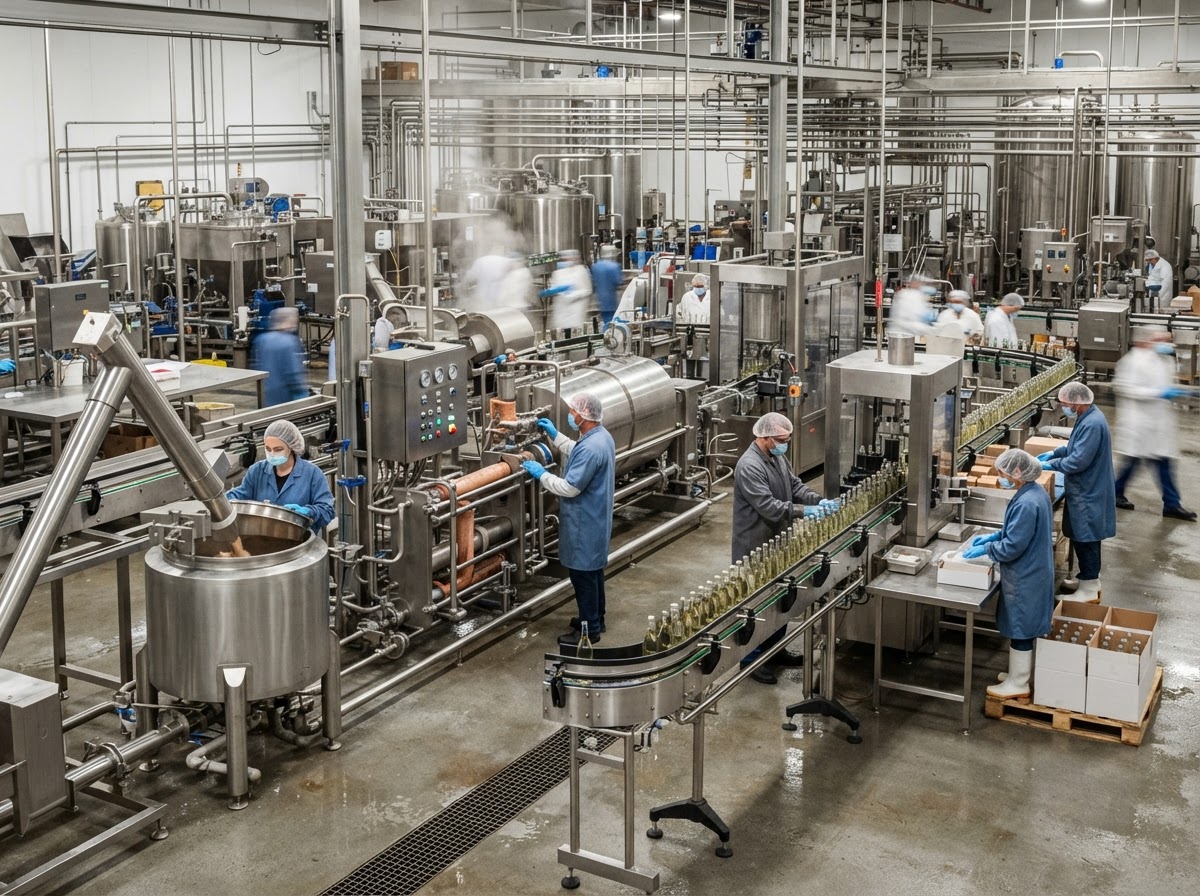
Food & Beverage
Formulating recipes, improving shelf life, testing ingredients, and refining production processes.

Product Development
Designing, prototyping, and iterating on physical products to improve performance, reliability, or quality.
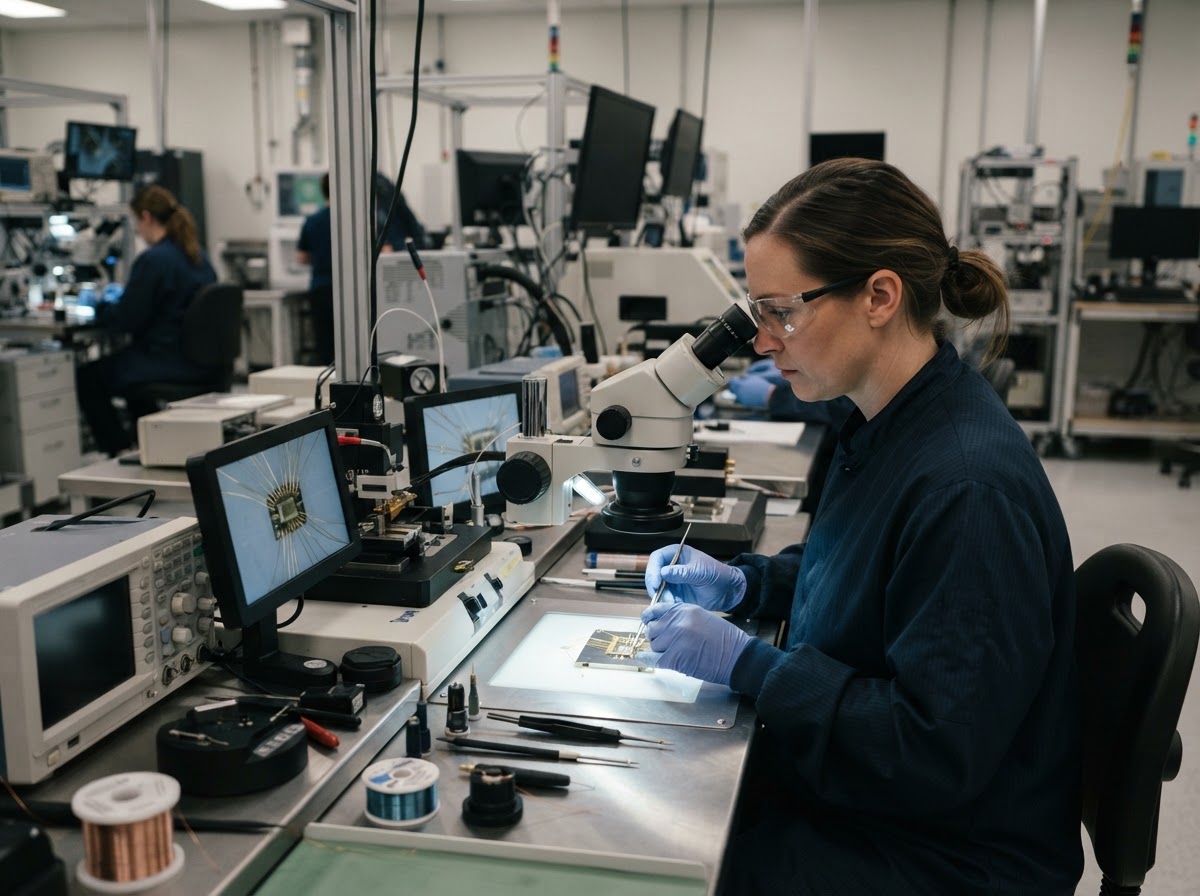
Specialty Manufacturing
Developing precision processes, custom tooling, and specialized production methods.
What Does an R&D Evaluation Look Like?
Initial Business Review
Understand what the company does and where development or improvement occurs.
Activity Identification
Identify projects and activities that may warrant further evaluation.
Documentation Review
Review relevant activities and available supporting information.
Qualification Analysis
Determine whether identified activities potentially meet applicable requirements.
Next Steps
If appropriate, explain the process for moving forward.
Frequently Asked Questions About R&D
Clear, educational answers regarding the Research & Development tax credit.
Looking for Employee Benefit & Payroll Efficiency Strategies?
Explore Tax Indemnity and the potential advantages of a Section 125 pre-tax cafeteria plan strategy.
Explore Tax IndemnityRequest Your R&D Tax Credit Evaluation
Complete the assessment below so the SWS team can evaluate your company's development, improvement, or engineering activities.
Eligibility and credit amounts depend on each business's facts and applicable tax law and are not guaranteed. SWS does not provide tax or legal advice.